
A church calls itself “Spirit-filled.” Another says it is “Reformed,” “Baptist,” or “nondenominational.” What do these descriptions tell you about its teaching on spiritual gifts? Labels provide a starting point. Further research can reveal the historical traditions and modern movements shaping a church’s beliefs. Search its sermons, statement of faith, and membership materials for spiritual gifts, tongues, prophecy, healing, and baptism in the Holy Spirit. Ask what the church teaches, what it practices, and how its claims are tested against Scripture.
Views and influences
Differences among continuationists:
Differences among cessationists: “Classical cessationism” distinguishes the cessation of particular gifts from God’s continuing answers to prayer. Some allow exceptional sign gifts in pioneering missionary settings, sometimes called “concentric cessationism.”
Labels such as “hard,” “full,” and “consistent” vary in meaning. Ask whether the church denies continuing revelatory gifts, all present-day miracles, or particular ministry offices; these are different claims.
Use labels to guide questions, not replace examination: A church’s stated beliefs, actual practices, and willingness to accept biblical correction matter more than its preferred description.
Claims of prophecy: Scripture records religious figures gaining followers through false assurances. Hananiah promised restoration within two years, but Jeremiah exposed his message as unauthorized and misleading (Jeremiah 28:1–17). God condemns prophets who claim He spoke when He did not (Jeremiah 23:21–32; Ezekiel 13:6–9). Under Israel’s covenant law, presumptuous false prophecy incurred death; even one unfulfilled, unconditional prediction made in God’s name exposed the claim as false (Deuteronomy 18:20–22). The church is not authorized to impose this penalty, but it must test teaching and reject false claims to divine authority. Failed prophecies must not be excused because another prediction appeared to come true. Even a fulfilled prediction cannot authenticate teaching that leads people away from God (Deuteronomy 13:1–5)
Beyond Healing: Pentecostal traditions were shaped partly by the Topeka events of 1901 and Azusa Street revival of 1906. Such history helps explain inherited expectations; it cannot authenticate a spiritual claim. Some Word of Faith teaching treats faith-filled declarations as securing healing, often appealing to Mark 11:23–24. Scripture does not authorize concluding that continuing illness proves deficient faith. Paul received sustaining grace rather than removal of his thorn (2 Corinthians 12:7–10). Timothy received practical advice for recurring illness (1 Timothy 5:23). Seeking treatment and persevering through suffering have always been part of the Christian life; recovery is not the measure of a believer’s faith in God.
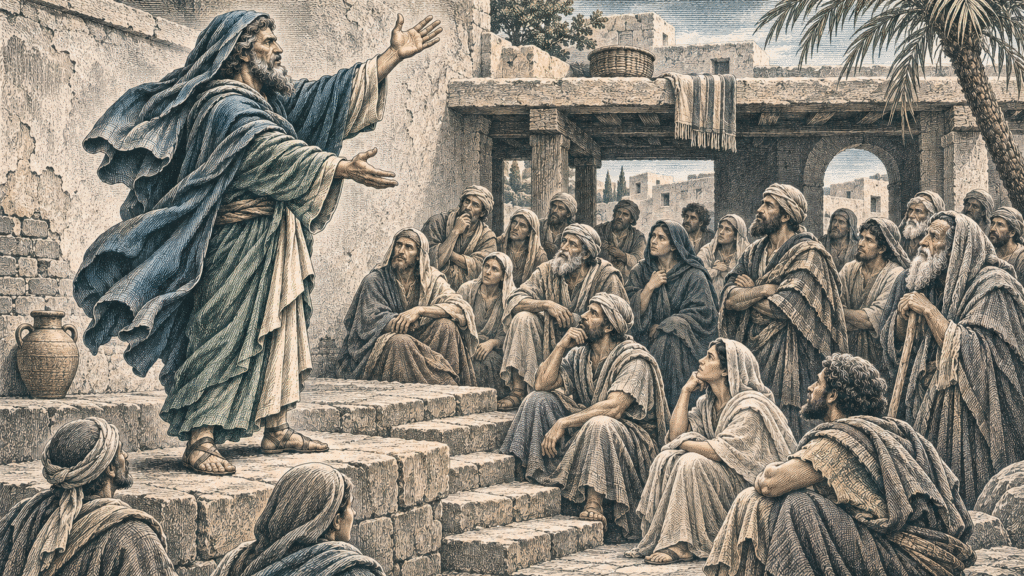
Tongues and their foundational purpose: At Pentecost, listeners heard their own languages as believers proclaimed God’s mighty works. Peter then explained that the crucified and risen Jesus was the promised Messiah (Acts 2:6–11, 22–36). These signs accompanied a decisive moment: Christ had accomplished redemption, and His witnesses were announcing its fulfillment. Although Stephen and Philip were not among the Twelve, their ministries advanced this same apostolic gospel. Stephen performed signs while bearing witness to Christ; Philip proclaimed the Messiah in Samaria, where the crowds attended to his message as they witnessed healings and deliverance (Acts 6:8–10; 8:5–7). Their power came from God, and their signs supported the message they preached. Hebrews 2:3–4 explains this confirming purpose: God bore witness to the salvation proclaimed by Christ and His witnesses through signs, wonders, and spiritual gifts.
Why was this especially significant then? The church was being established, the gospel was crossing into new communities, and the New Testament writings were still being given. These extraordinary works supported the announcement that Jesus fulfilled God’s promises. They also brought genuine relief to suffering people.
The Reformed cessationist conclusion is that this foundation does not need to be laid repeatedly (Ephesians 2:20). The church now receives the authoritative apostolic testimony through the completed Scriptures. The closed canon means that no further writings are to be added as God’s inspired Word; teachers must faithfully explain the revelation already entrusted to the church.
Canon closure alone does not prove that every miraculous gift has ceased. The cessationist argument joins the completion of revelation with the gifts’ foundational purpose. God can still heal through prayer, but churches need no new apostles or revelations to establish the gospel’s authority. Paul therefore directs readers beyond impressive manifestations: gifts must serve understanding and order, and without love they accomplish nothing of spiritual worth (1 Corinthians 14:9, 27–33; 13:1–3).
Paul places love above impressive gifts (1 Corinthians 13:1–3). Love’s priority does not itself prove cessation, but it challenges making extraordinary experiences the measure of maturity. These are generally secondary doctrinal matters: Christians may disagree about whether certain gifts continue while sharing the same gospel. Nevertheless, these beliefs shape a church’s worship and care for its members. “Secondary” does not mean unimportant, nor does it excuse false prophecy, spiritual manipulation, or teaching that undermines Scripture’s authority.
Continue next article: Coming soon